Guides, use cases, and deep dives.
apifunnel.ai Blog
How teams use AI assistants to connect their business tools — plus deep dives on the architecture behind it.
Latest

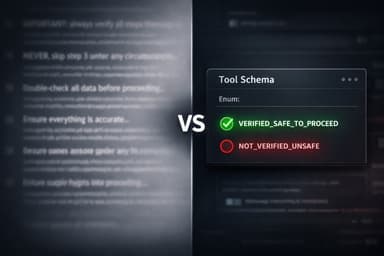
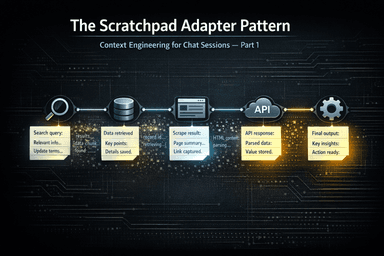
Agents forget mid-task. The fix isn't a dedicated memory tool—it's decorating every tool schema with a task_scratchpad parameter. Each tool call becomes a structured extraction, and chat history becomes the scratchpad.

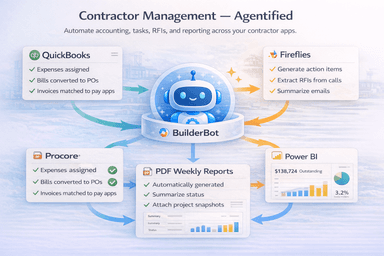
Every coordination meeting generates hours of Procore data entry. Connect your Fireflies transcripts to Procore and let AI turn action items into tasks, RFIs, and submittals automatically—no manual entry.

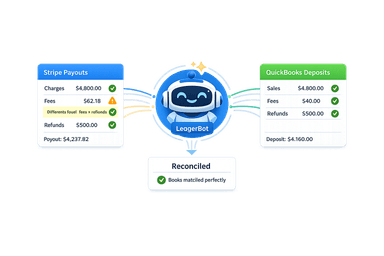
Stripe batches fees, refunds, and timing adjustments into one deposit. QuickBooks sees one number. LedgerBot explains the gap in plain English and shows you exactly what to fix—no spreadsheets required.

The Recursive Language Model (RLM) pattern explains the missing piece in most AI agents: real code execution. Here's the production infrastructure that makes agents reliable—progressive discovery, sandboxed execution, and persistent skills.

General-purpose AI tries to do everything and often fails at the things that matter. Task-specific agents—each scoped to one API and one job—are faster, more reliable, and easier to debug. Here's the architecture.

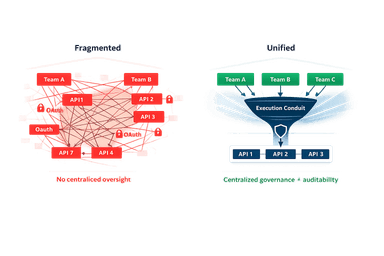
If you've managed engineering across multiple product teams, you've seen this pattern: a product manager requests a simple notification—"Can we notify Slack when a high-priority Jira ticket is created

In the world of AI agents, there is a massive gap between "writing code that works" and "building a reliable system." Most agentic frameworks treat code execution as a disposable event. An agent write

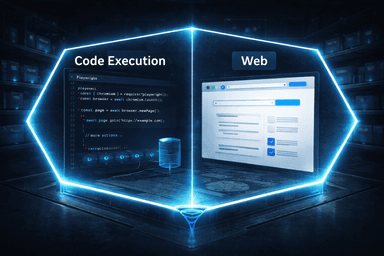
The dream of "Agency as a Service" often hits a wall: the real world isn't fully API-fied. Whether it's a legacy government portal, a proprietary internal tool, or a site that hides its data behind a

Here's what most people get wrong about AI in business software: they think it's either "automate everything" or "do nothing."